If you think putting a sign in the yard is enough to sell your Fuquay-Varina home for top dollar, think again. Buyers in today’s market still have options, and that means your home’s condition, presentation, and first impression matter more than many sellers expect. The good news is that you do not need a full renovation to make a strong impact. With the right prep strategy, you can focus on the updates that actually help your home show better, photograph better, and sell with fewer surprises. Let’s dive in.
Why prep matters in Fuquay-Varina
Fuquay-Varina’s housing market was somewhat competitive in March 2026. The median sale price was $462,560, homes sold in about 37 days on average, buyers made about 2 offers on average, and the median sale-to-list ratio was 98.6%.
That tells you something important as a seller. Homes are still selling close to list price, but they are not flying off the market instantly with no effort required. In a market like this, buyers can compare homes side by side, both online and in person.
That is why smart preparation matters. If your home looks clean, bright, and well cared for, you give buyers fewer reasons to hesitate and more reasons to make a strong offer.
Focus on the updates buyers notice first
Before you spend money, start with this mindset: visible, low-cost improvements usually matter more than major remodeling projects. National staging and seller-prep guidance consistently points to cleaning, decluttering, and curb appeal as the most common and most useful recommendations.
In other words, you do not need to gut a kitchen or renovate every bathroom before listing. You want to make your home feel move-in ready, easy to picture, and well maintained.
Start with decluttering
Decluttering is one of the most common seller recommendations, and for good reason. Too much furniture, crowded countertops, packed closets, and overflowing shelves can make rooms feel smaller and more distracting.
Your goal is to help buyers focus on the space, not your belongings. Pack away extra decor, personal photos, seasonal items, and anything that makes the room feel busy.
Deep clean every room
A clean home signals care. Buyers may not notice every polished surface, but they will notice grime, odors, dusty vents, smudged windows, dirty baseboards, and stained carpet.
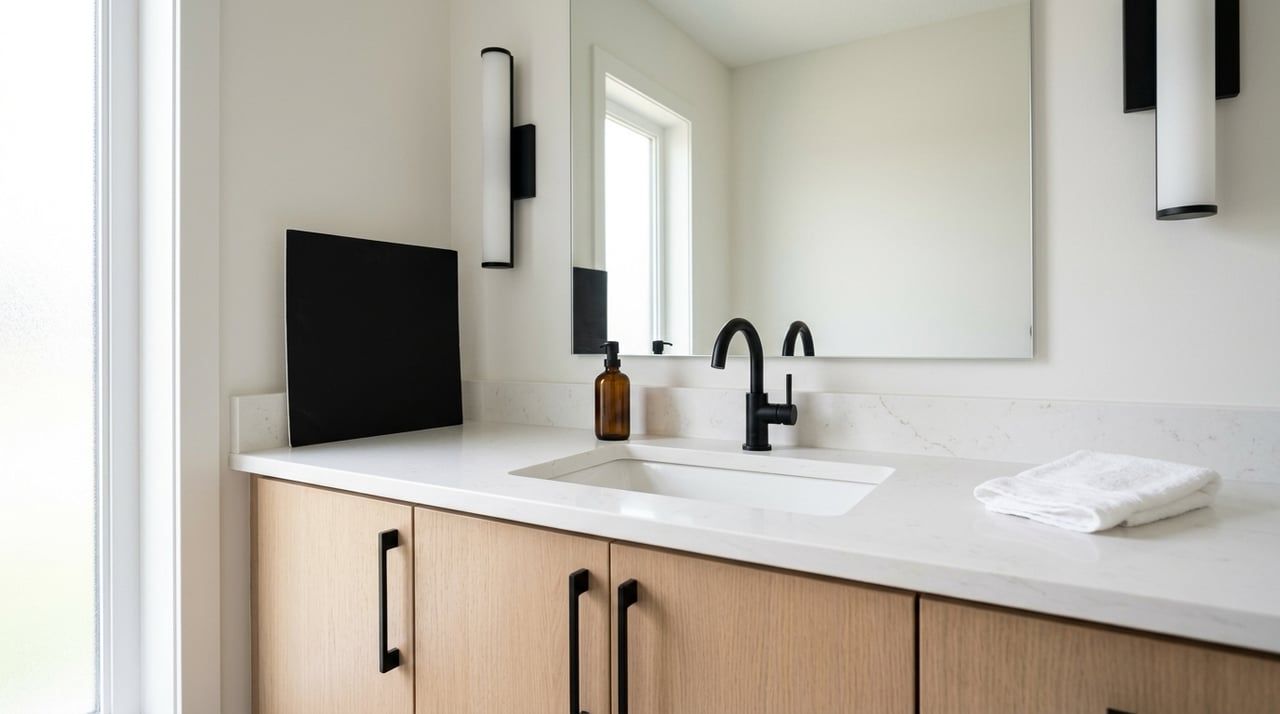
Pay close attention to windows, walls, lighting fixtures, carpets, and high-touch areas. Kitchens and bathrooms deserve extra attention because buyers tend to inspect those spaces closely.
Improve curb appeal
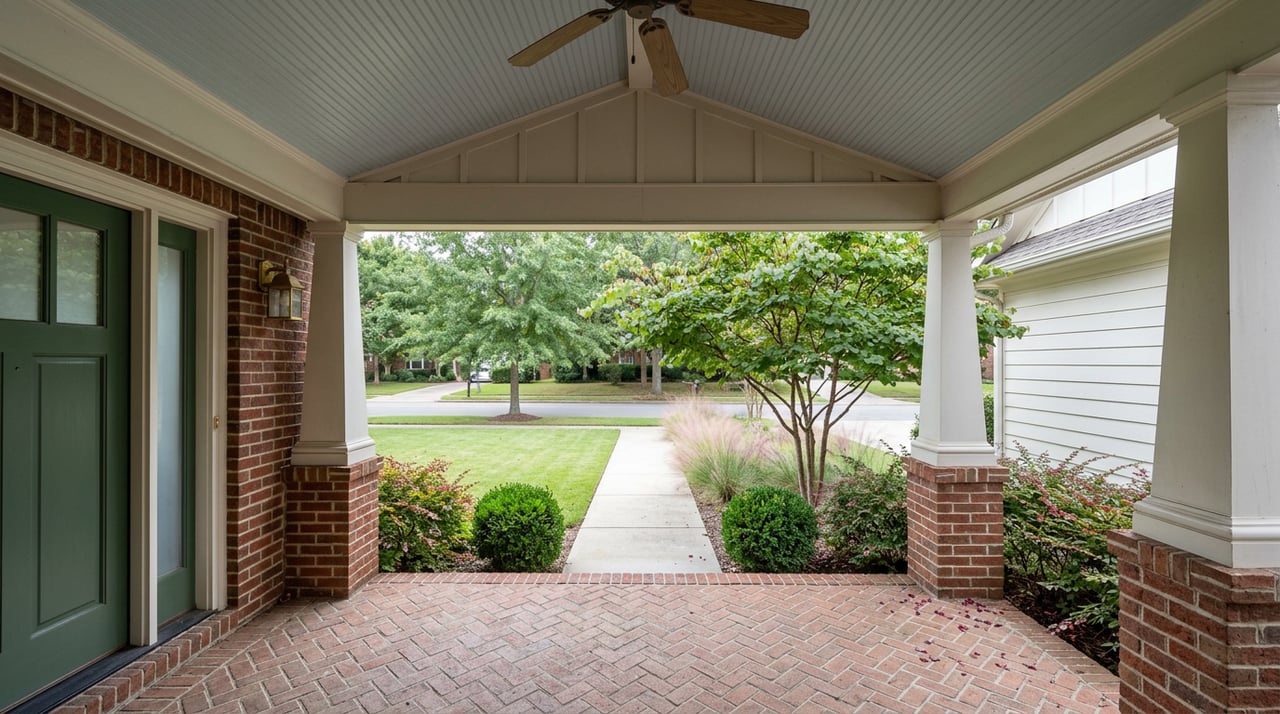
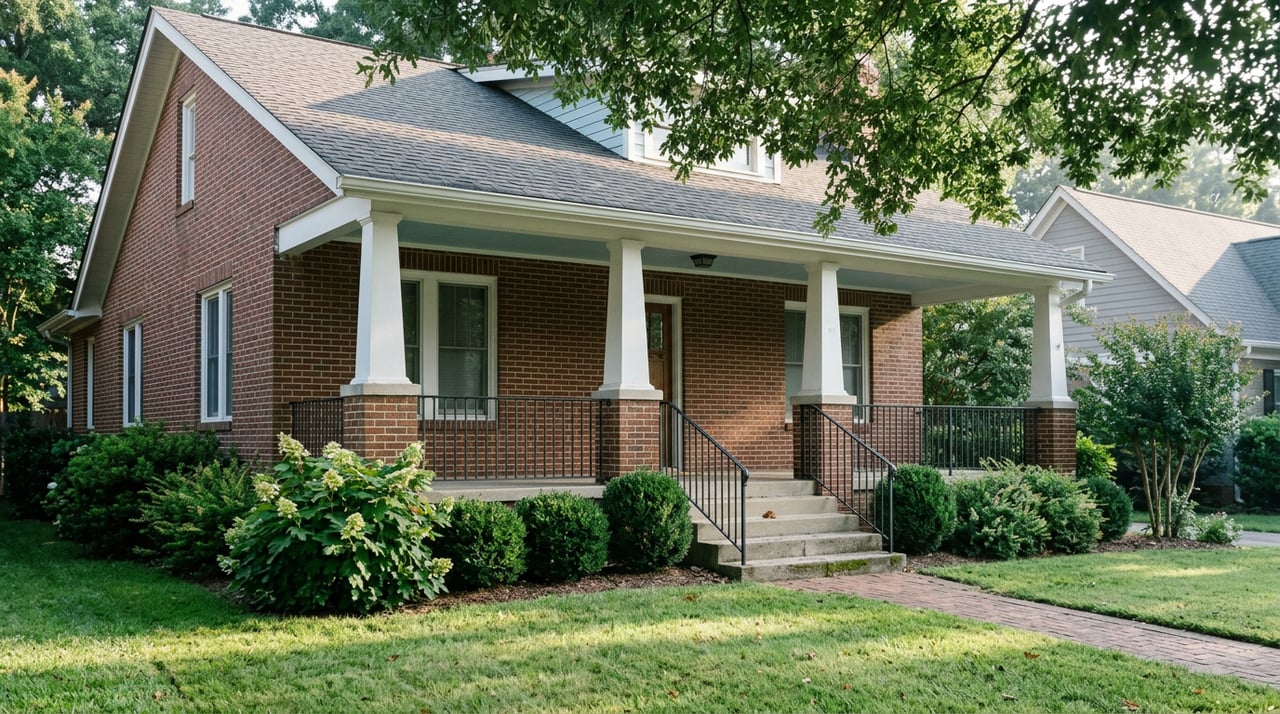
Your exterior sets the tone before a buyer ever walks inside. Basic landscaping, a tidy yard, and a welcoming front entrance can make a big difference in how your home is perceived.
Focus on simple upgrades like fresh mulch, trimmed shrubs, swept walkways, and a clean front door. If paint is chipped or worn at the entry, touching it up can help your home feel more cared for from the start.
Think beyond showings to online appeal
Most buyers meet your home online before they ever schedule a showing. That means your prep work needs to support listing photos, video, and virtual tours, not just in-person visits.
Staging research shows that photos, traditional staging, videos, and virtual tours all play a major role in how buyers engage with a listing. If a room looks dark, cluttered, or awkward in photos, some buyers may scroll past before they even consider a visit.
Make key rooms photo-ready
If your budget is limited, prioritize the rooms buyers notice most often:
- Living room
- Primary bedroom
- Dining room
- Kitchen
These spaces often carry the strongest visual weight in listing photos and showings. Clean lines, lighter surfaces, open walkways, and simple decor can help them feel more spacious and more inviting.
Use staging selectively
Staging does not have to mean fully furnishing an empty house from top to bottom. It can also mean arranging what you already have, removing pieces that crowd the room, and adding a few simple finishing touches that help the home feel polished.
Recent survey data shows why this can be worth it. Most buyers’ agents said staging helps buyers visualize the property as a future home, nearly half of sellers’ agents said it reduced time on market, and some reported it increased the dollar value offered by 1% to 10%.
The median reported cost was $1,500 for a staging service and $500 when the seller’s agent handled staging. That does not mean every seller needs professional staging, but it does show that selective staging can be a practical conversation when you want to improve presentation without overspending.
Handle minor repairs before buyers find them
In a market where homes are selling near list price but still taking time to secure the right offer, visible repair issues can weaken your negotiating position. Buyers often notice the small things quickly, and they may assume bigger maintenance problems exist behind them.
That is why it usually makes sense to fix the issues that stand out in photos, during showings, or in a buyer’s inspection.
Prioritize small but noticeable fixes
Start with repairs that improve appearance and reduce distraction, such as:
- Touch-up paint where walls are scuffed or chipped
- Loose handles or knobs
- Dripping faucets
- Burned-out light bulbs
- Squeaky doors
- Cracked caulk around tubs or sinks
- Damaged screens or broken blinds
These items may seem minor, but together they shape how buyers judge overall upkeep. A home that feels maintained often inspires more confidence than one with a long list of visible small issues.
Get estimates for bigger concerns
If you know your home has a larger issue, such as an aging roof, HVAC concern, or appliance problem, it is smart to get a repair estimate even if you do not plan to fix it before listing. That gives you a clearer picture of the likely cost and helps you decide whether to repair the issue or price accordingly.
From a strategic standpoint, this is where an investor mindset matters. You want to spend where it improves marketability or reduces negotiation pressure, not simply spend for the sake of spending.
Consider a pre-listing inspection
A pre-listing inspection is not required, but it can be useful in the right situation. If you want fewer surprises during the transaction, or if you are unsure which repairs matter most before going live, an inspection can give you clarity.
A seller’s inspection may review major systems and areas such as the structure, roof, plumbing, electrical, HVAC, interiors, exterior components, ventilation, insulation, and fireplaces. Depending on the property, additional testing may also be available for items like mold, radon, lead paint, or asbestos.
For some sellers, this step creates a smoother process. Instead of waiting for the buyer’s inspection to uncover issues, you get a chance to understand the home’s condition early and make more informed decisions about repairs, pricing, and disclosure.
Get your paperwork ready early
Preparing your home for sale is not just about cleaning and repairs. It is also about getting organized before your listing goes live.
Gather warranties, guarantees, and user manuals for appliances and systems that will stay with the home. This small step can make the transaction feel more professional and help the closing process run more smoothly.
Know North Carolina disclosure requirements
In North Carolina, sellers are required to provide a Residential Property Disclosure Statement. State law also requires a mineral and oil and gas rights disclosure, and when applicable, an Owners’ Association and Mandatory Covenants Disclosure Statement.
These disclosures must be delivered no later than the time the buyer makes an offer. If they are not delivered on time, the buyer may have the right to cancel the contract.
The required disclosure categories can include topics such as:
- Water and sewage systems
- Structural components
- Plumbing, electrical, heating, and cooling systems
- Infestation damage
- Land-use restrictions
- Environmental conditions such as lead, asbestos, radon, methane, hazardous materials, and underground storage tanks
If you later discover a material inaccuracy in a disclosure, North Carolina law requires you to correct it promptly. If your home is part of an HOA, the separate association disclosure may also need details such as dues, services covered by dues, special assessments, transfer fees, pending lawsuits, and contact information.
A simple prep plan for Fuquay-Varina sellers
If you are wondering where to begin, use this order of operations to keep the process manageable:
- Declutter rooms, closets, counters, and storage areas.
- Deep clean the entire home, including windows, walls, carpets, and fixtures.
- Boost curb appeal with landscaping, entry updates, and exterior touch-ups.
- Make minor repairs that buyers will notice quickly.
- Stage key rooms so the home looks better online and in person.
- Price strategically if larger repairs are not being completed.
- Prepare disclosures and documents before going live.
This kind of plan keeps you focused on what moves the needle. It also helps you avoid the common mistake of over-improving in areas that may not meaningfully affect your outcome.
Sell with strategy, not guesswork
When you prepare your Fuquay-Varina home for sale, the goal is not perfection. The goal is to present a clean, cared-for, well-positioned property that stands out for the right reasons and gives buyers confidence.
In this market, thoughtful prep can shape how quickly your home sells and how negotiations unfold. A strategic seller looks at each decision through the lens of return, buyer perception, and risk reduction.
If you want a tailored plan for what to fix, what to skip, and how to position your home for a strong sale in Fuquay-Varina, schedule a free consultation with Tamara White.
FAQs
What should I do first before listing my home in Fuquay-Varina?
- Start with decluttering and deep cleaning. Those two steps usually have the biggest immediate impact on how your home looks in photos and feels during showings.
Does staging matter when selling a home in Fuquay-Varina?
- Yes. Staging can help buyers picture themselves in the home, and survey data shows it may help reduce time on market and improve offers, especially in key rooms like the living room, primary bedroom, dining room, and kitchen.
Should I renovate my Fuquay-Varina home before selling?
- Not usually. The strongest prep work is often low-cost and visible, such as cleaning, decluttering, curb appeal improvements, paint touch-ups, and minor repairs rather than a full remodel.
Should I get a pre-listing inspection before selling a home in North Carolina?
- A pre-listing inspection is optional, but it can help you uncover issues before buyers do and decide what to repair, disclose, or price around before your home hits the market.
What disclosures are required when selling a home in North Carolina?
- North Carolina requires a Residential Property Disclosure Statement, a mineral and oil and gas rights disclosure, and, when applicable, an Owners’ Association and Mandatory Covenants Disclosure Statement. These must be delivered no later than the time the buyer makes an offer.
How long are homes taking to sell in Fuquay-Varina?
- In March 2026, homes in Fuquay-Varina sold in about 37 days on average, which means presentation and pricing still matter even in a market where homes are selling close to list price.