Wondering how Durham neighborhoods actually feel once you move past the listing photos? If you are trying to picture daily life here, it helps to look at the places where people spend real time: parks, markets, trails, arts venues, and local dining districts. This guide walks you through several Durham areas using food, arts, and everyday routines so you can better understand what each part of the city may offer and how that lifestyle can connect to your home search. Let’s dive in.
Downtown Durham and Central Park
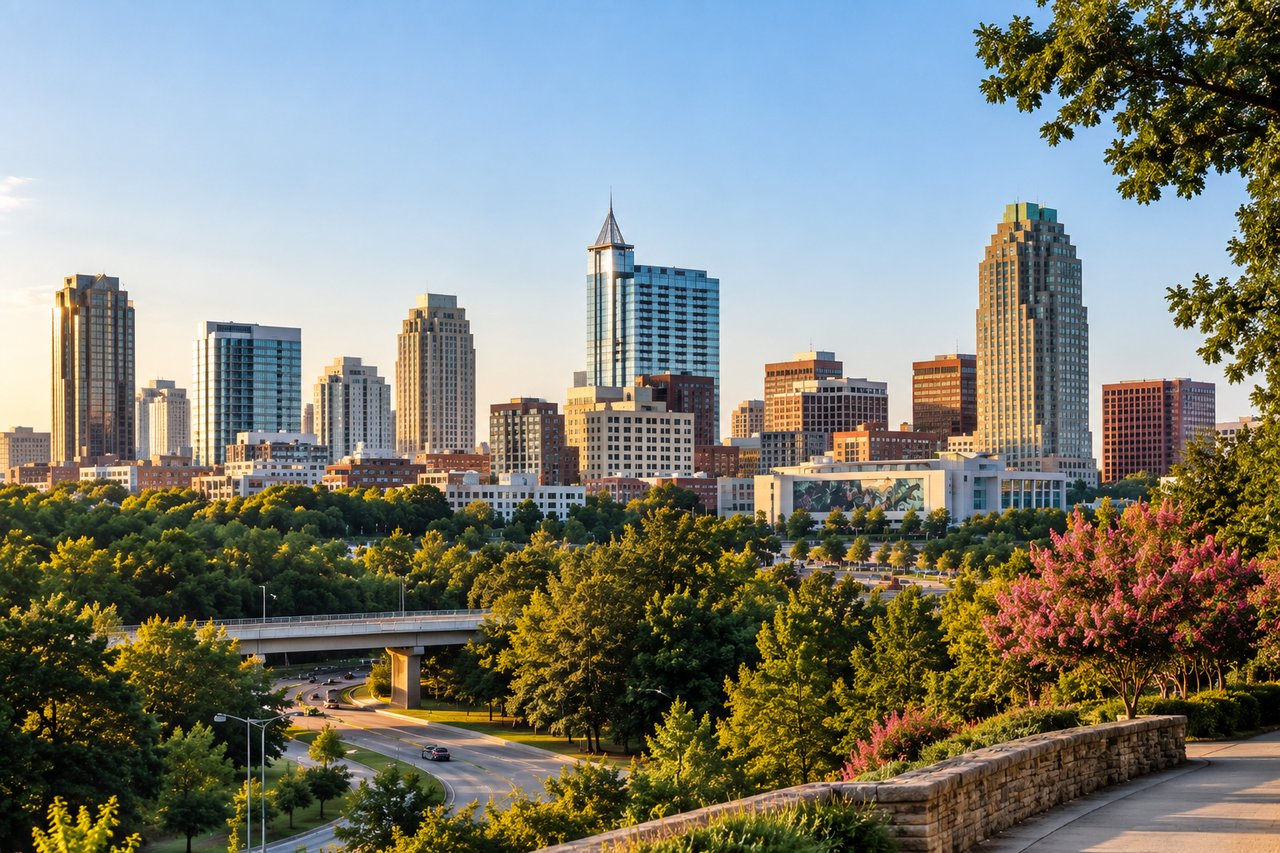
If you want a neighborhood experience where many parts of daily life overlap, downtown Durham stands out. The city’s comprehensive plan describes downtown as a place where dining, shopping, recreation, work, and housing come together, supported by connected sidewalks, bike lanes, transit infrastructure, parks, plazas, and trails.
That mix shapes how your week can look. You might grab dinner, walk to a performance, stop by a public art installation, and head home without needing to drive much. Downtown housing also includes a range of home types such as apartments, condominiums, townhouses, lofts, upper-story residential spaces, and some senior residences, according to the City of Durham planning document.
Food and entertainment downtown
Downtown Durham Inc presents the area as a hub for fine dining, world cuisines, bars, live music, public art, and parks. That makes the district especially appealing if you want activity built into your routine rather than saved for special occasions.
Major cultural anchors help define the area. DPAC notes that it sits in the heart of downtown and is surrounded by restaurants and shops, while the Carolina Theatre has been part of downtown since 1926. Together, these venues create a rhythm that can make even an ordinary Friday night feel planned without much effort.
Central Park weekend rhythm
A few blocks can make a big difference in how a neighborhood lives, and Durham Central Park is a strong example. This five-acre public space anchors the year-round farmers market and also hosts concerts, movies, food truck rodeos, and craft markets.
If you are comparing neighborhoods, this is the kind of feature that changes your lifestyle as much as your address. A nearby market, recurring public events, and open green space can make it easier to build habits that feel connected and local.
Arts and creative spaces nearby
Downtown’s creative side is not limited to major venues. The Durham Arts Council building adds free galleries, classes, and recurring events such as Third Friday and CenterFest, giving you regular ways to engage with the arts close to home.
Just east of the core, Golden Belt extends that creative energy in a restored textile-mill setting with studios, galleries, loft living, and outdoor stage programming. If you are drawn to adaptive reuse buildings and a more art-centered atmosphere, that area adds another layer to the downtown experience.
West Durham and Ninth Street
If your ideal neighborhood feels practical, walkable, and locally grounded, West Durham offers a different kind of appeal. Around Ninth Street, the pattern of daily life is often less about big-event energy and more about easy routines close to home.
Ninth Street describes itself as a walkable district for meals, errands, and local shopping. It is also positioned near Duke, downtown, and surrounding residential neighborhoods, with access by foot, bike, or bus.
Everyday convenience on Ninth Street
One of the biggest advantages of this area is convenience that feels organic. The district is served by the Bull City Connector and GoDurham route 11, which supports day-to-day movement without making every trip car-dependent.
For buyers who value location efficiency, this matters. Being able to combine coffee, errands, casual dining, and small shopping trips in one area can make your routine simpler and your neighborhood choice feel more strategic long term.
Old West Durham character
The area also carries visible history. Ninth Street traces back to Durham’s textile and tobacco era, and nearby Old West Durham still reflects that older urban form and modest scale.
Durham’s Neighborhood Protection Overlay for Old West Durham is intended to preserve the neighborhood’s established character, including its mill village character. In practical terms, that helps explain why the area often feels distinct from newer development patterns.
Parks and trail access nearby
Daily life in West Durham is not just about storefronts. Duke Park adds 17.24 acres of green space, along with a dog park, playgrounds, trail access, picnic areas, and room to get outside close to home.
For a longer outing, the American Tobacco Trail begins at Morehead and Blackwell and runs 11 paved miles in Durham. It is heavily used by walkers, joggers, cyclists, roller bladers, and people pushing strollers, which makes it a meaningful lifestyle feature for buyers who prioritize outdoor access.
Historic neighborhoods with architectural identity
Some Durham neighborhoods stand out less for nightlife or retail and more for their architecture, streetscape, and residential feel. If you are drawn to older homes, front porches, and established blocks, areas like Watts-Hillandale, Trinity Heights, and Morehead Hill are worth understanding.
These neighborhoods offer a different kind of value. Instead of centering your search on mixed-use convenience, you may be drawn to visual character, historic housing styles, and a quieter atmosphere.
Watts-Hillandale and Trinity Heights
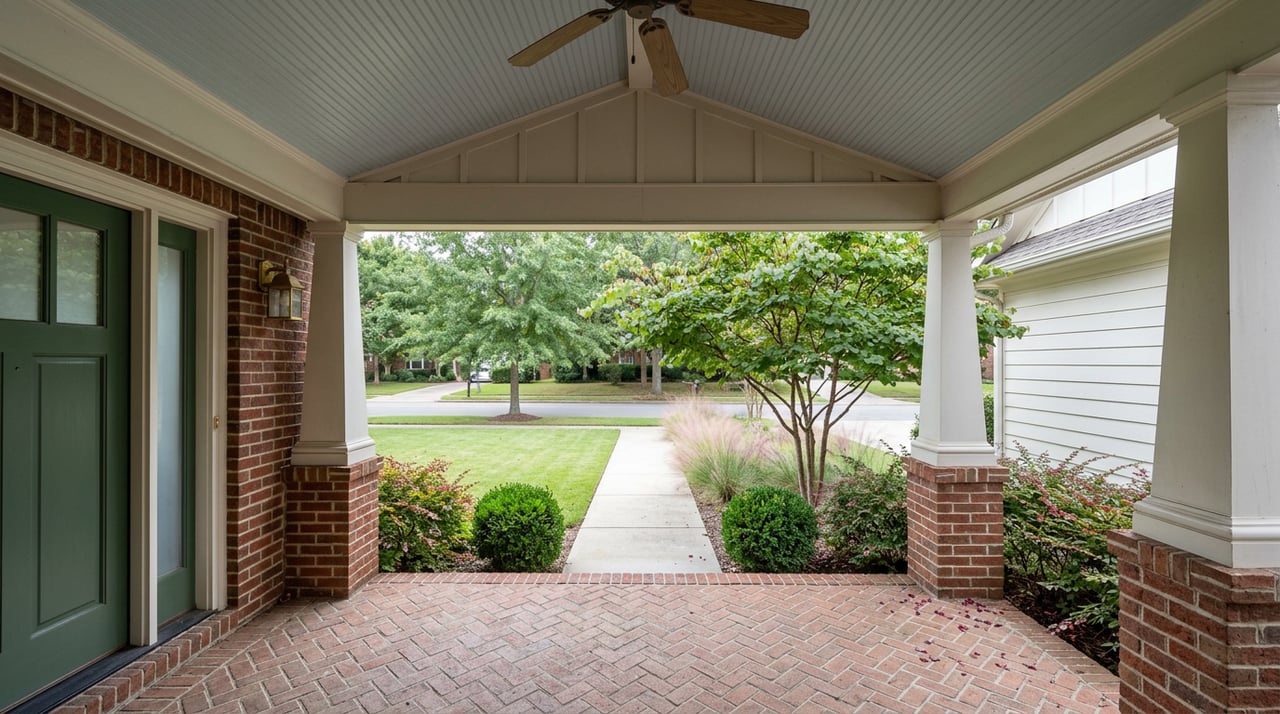
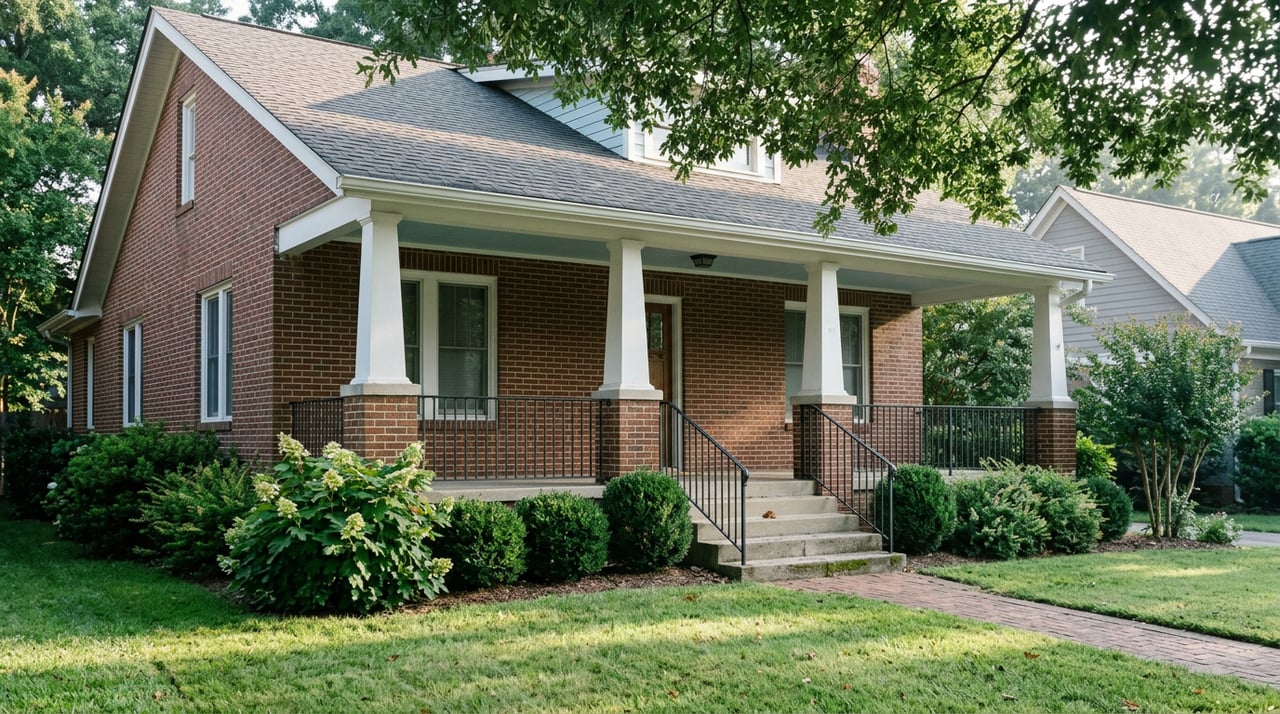
According to the Watts-Hillandale Preservation Plan, Watts-Hillandale includes an eclectic early-20th-century mix with Queen Anne, Foursquare, Colonial Revival, Tudor Revival, Period Cottage, and Craftsman bungalow styles. The plan also notes that the 1920s and 1930s brought especially strong bungalow development.
Trinity Heights includes Victorian, Neoclassical or Neo-Colonial, Queen Anne, Bungalow, and Spanish Mission examples, along with some apartment buildings and converted homes. If you enjoy comparing architectural details from block to block, these neighborhoods can offer a more layered residential experience.
Morehead Hill’s quieter feel
Morehead Hill is described as one of Durham’s earliest suburbs and features Queen Anne, Colonial Revival, Craftsman bungalow, Tudor Revival, and Spanish Colonial Revival examples. It is also noted for a quieter residential atmosphere.
That can be helpful if you want a close-in location without prioritizing the busiest districts. For some buyers, that balance between proximity and a calmer street feel is a major part of the decision.
What historic designation means
These areas are locally designated historic districts, which means exterior changes generally require a Certificate of Appropriateness. For buyers, that is less about red tape and more about context.
It helps preserve the visual consistency of the streetscape over time. If you are considering a historic home, it is smart to understand both the charm and the rules that come with ownership in a designated district.
Parks and public art across Durham
If you are choosing between Durham neighborhoods, it helps to zoom out beyond one block or district. Citywide amenities shape everyday life too, especially if your routine includes walking, trail time, markets, or free outdoor events.
Durham Parks and Recreation manages more than 1,600 acres, 66 parks, 56 playgrounds, and 29 miles of paved trails. That scale means outdoor access is not limited to one part of the city.
Events that create community rhythm
Recurring events often tell you more about daily life than a map does. Durham Central Park’s year-round, producer-only Durham Farmers' Market features more than 50 vendors within 70 miles, and the park also hosts concerts, movies, and food truck rodeos.
DPR also runs a free summer concert series in parks such as Forest Hills, Duke Park, and Piney Wood Park, often paired with food trucks. If you want your neighborhood search to include low-key ways to spend weekends and evenings, these recurring events matter.
Art in everyday spaces
Durham’s public art shows up in neighborhoods, parks, streetscapes, commercial centers, and public facilities through the citywide Public Art Collection. That means creative expression is part of ordinary movement through the city, not something you only experience when planning a special outing.
For buyers relocating to Durham, details like this can make a place feel more lived-in and memorable. The texture of daily life is often built from these smaller, repeated experiences.
Nature beyond the core
If you want a larger outdoor destination within Durham, West Point on the Eno offers a different pace. This 404-acre natural and historic park sits about six miles north of downtown and includes trails, canoe access, and historic buildings such as the McCown-Mangum House and grist mill.
For some buyers, access to a place like this can widen what feels possible in a week. You can enjoy an urban neighborhood setting and still have a substantial outdoor escape nearby.
Matching lifestyle to home type
One smart way to approach Durham is to connect the lifestyle you want with the housing patterns commonly found in each area. This is where an investor mindset can help, because you are not just choosing what looks good today. You are choosing what supports your routine, goals, and long-term plans.
Here is a simple way to think about it:
| Area | Everyday feel | Common home types |
|---|---|---|
| Downtown / Central Park | Walkable, event-driven, arts and dining centered | Apartments, condos, townhouses, lofts, upper-story homes, some senior residences |
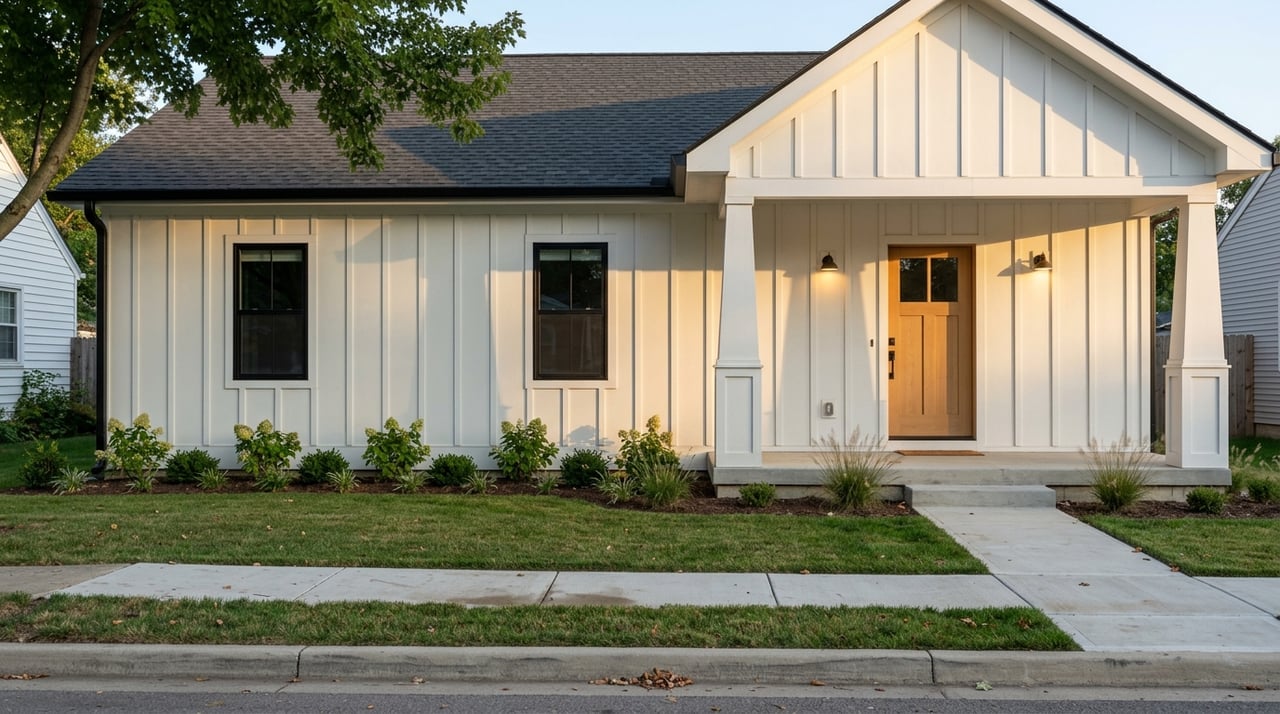
| Ninth Street / Old West Durham / Duke Park | Practical, local, mixed with parks and trail access | Older bungalows, mill-village era houses, modest-scale single-family homes, some condo conversions |
| Watts-Hillandale / Trinity Heights / Morehead Hill | Historic, architectural, residential | Early-20th-century detached homes with styles like Queen Anne, Colonial Revival, bungalow, Tudor Revival, and more |
| Golden Belt | Creative, adaptive-reuse atmosphere | Loft living and mixed-use spaces in a restored mill setting |
If you are buying your first home, that framework can help you narrow your search faster. If you are relocating or thinking about long-term value, it can also help you focus on areas that fit both your lifestyle and your broader property goals.
How to explore Durham like a local
Before you commit to a neighborhood, spend time in it the way you would actually live there. That means looking beyond open houses and driving through once on a weekend.
Try a simple test run:
- Visit in the morning, afternoon, and evening
- Walk to a coffee shop, park, or market if the area supports it
- Notice how easy errands feel
- Check how close you are to trails, arts venues, and public spaces you would use
- Compare the home style in the area to the level of maintenance and character you want
That kind of neighborhood research often gives you clearer answers than square footage alone. It also helps you make a more intentional purchase, especially if you want your next move to support both lifestyle and long-term value.
Durham offers a range of neighborhood experiences, from the energy of downtown and Central Park to the practical rhythm of Ninth Street and the architectural character of its historic districts. The right fit depends on how you want to spend an ordinary Tuesday just as much as a special Saturday. If you want help evaluating Durham neighborhoods through both a lifestyle and long-term value lens, Tamara White can help you build a smart, strategic plan for your move.
FAQs
What is daily life like in downtown Durham?
- Downtown Durham blends dining, entertainment, housing, public art, and walkable infrastructure, with access to venues like DPAC, the Carolina Theatre, Durham Arts Council, and Durham Central Park.
What makes Ninth Street in Durham appealing to homebuyers?
- Ninth Street offers a walkable mix of meals, errands, and local shopping, plus access to transit, nearby parks, and residential areas with older homes and some condo conversions.
Which Durham neighborhoods have historic homes?
- Watts-Hillandale, Trinity Heights, and Morehead Hill are noted for early-20th-century architecture, including styles such as Queen Anne, Colonial Revival, Craftsman bungalow, Tudor Revival, and related historic forms.
What types of homes are common in downtown Durham?
- Downtown Durham commonly includes apartments, condos, townhouses, lofts, upper-story residential spaces, and some senior residences.
Where can you find parks and outdoor activities in Durham?
- Durham offers broad outdoor access through its city parks system, Durham Central Park, Duke Park, the American Tobacco Trail, and West Point on the Eno.
How should you compare Durham neighborhoods before buying?
- Visit each area at different times of day, test everyday routines like errands and walking, and compare neighborhood feel, amenities, and home types against your long-term goals.