If you price your Cary home based on hope instead of strategy, you could leave money on the table. That is frustrating when you are trying to time your move, protect your equity, and make smart decisions in a market that still moves fast. The good news is that you can price like an investor by focusing on probability, not emotion, and that approach can help you aim for a stronger offer and a better net. Let’s dive in.
Think Like an Investor
Investor-style pricing does not mean pricing low. It means choosing the list price most likely to produce the best overall outcome, not just the highest number on paper.
In Cary, that mindset matters. Recent market data shows the town remains competitive, with home values and sale prices sitting in the low-$600,000s overall, homes often moving quickly, and buyer activity still strong when a home is priced well. At the same time, about 29% of listings have had price drops, which is a clear sign that overpricing can backfire.
Focus on Net, Not Just List Price
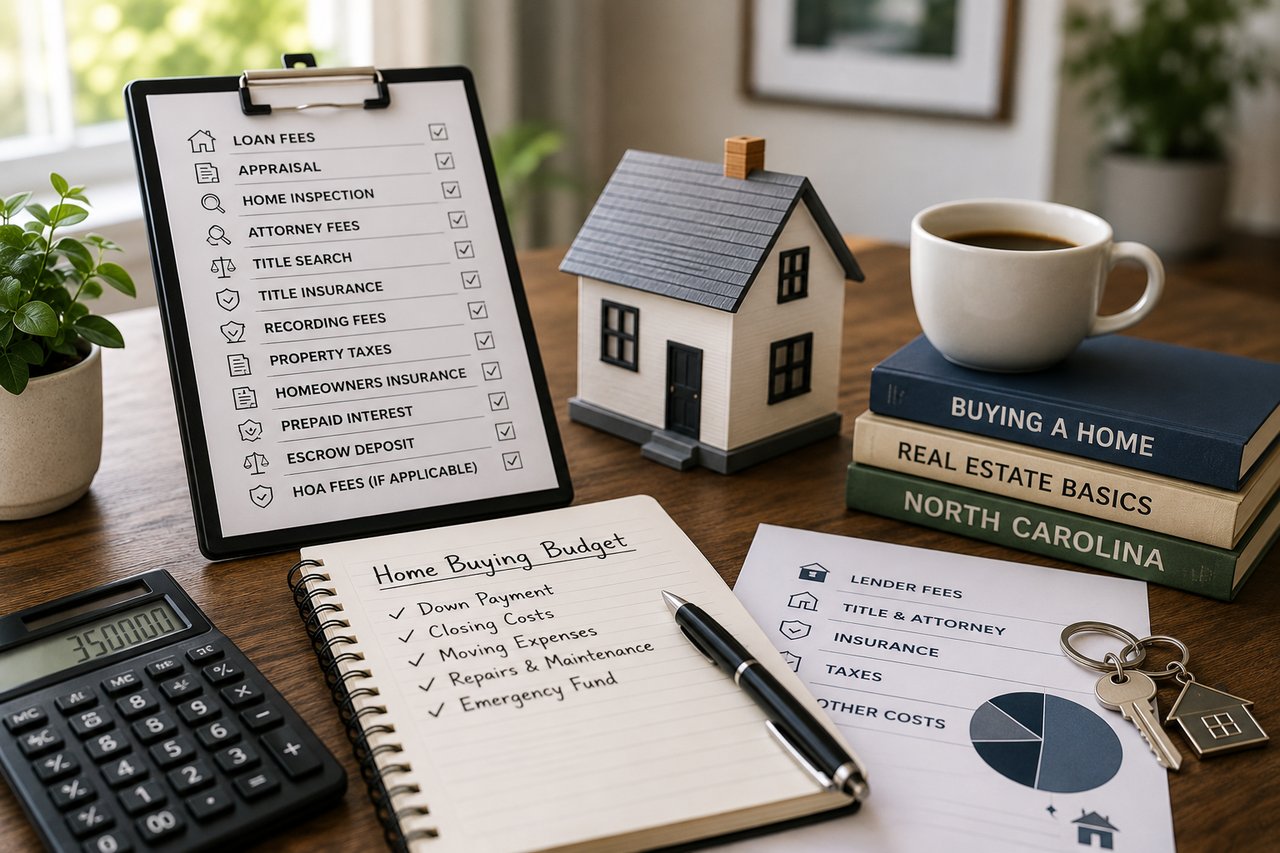
A lot of sellers fixate on the asking price. But the number that matters most is what you actually keep after credits, taxes, and other closing costs.
In North Carolina, sellers should account for the state deed excise tax, which is $1.00 per $500 of value conveyed. Seller-paid credits and other negotiated costs also affect your bottom line, so an offer at a lower price can sometimes produce a better net than a higher offer with more concessions.
That is the investor lens. You are not just asking, “What is the highest number I can list at?” You are asking, “What price gives me the strongest chance of the best contract and best net proceeds?”
Cary Pricing Is Hyper-Local
One of the biggest pricing mistakes in Cary is using broad averages. Cary usually outperforms Wake County overall, so countywide numbers are not a reliable guide for an individual Cary listing.
Recent public data shows Cary’s median sale price is well above Wake County’s median. That gap is important because buyers compare your home to other Cary homes, not to the county as a whole.
ZIP Code Differences Matter
Even within Cary, prices vary a lot by ZIP code. Recent Realtor.com data shows sold prices around $750,000 in 27518, compared with roughly $532,000 in 27513 and about $528,500 in 27511.
That spread tells you something important. You should not price your home from a single Cary-wide headline number when the local market can shift dramatically from one part of town to another.
Neighborhood Beats Townwide Averages
The best comps are as close to your home as possible in location, style, size, age, and condition. A detached home in one Cary neighborhood may compete with a very different buyer pool than a similar-sized home across town.
That is why investor-style pricing starts with recent sold comps and current competition at the neighborhood level. Public estimates can be a starting point, but they are not a substitute for a fresh, local pricing analysis.
Price for the First Wave of Buyers
When a home hits the market, it usually gets the most attention right away. That first wave of qualified buyers is valuable because it can create urgency, stronger showings, and better leverage.
In Cary, homes that are priced correctly can still move fast. Redfin reports homes sell in about 22 days on average and receive about two offers on average, which shows there is real buyer interest when the pricing lines up with the market.
If you price too high, you risk missing that first wave. Once a listing sits, buyers may start to wonder what is wrong with it, and you can lose momentum that is hard to get back.
Overpricing Can Cost You More
Many sellers assume they can always “test the market” with a high price and reduce later if needed. In practice, that often weakens your position.
A price reduction can signal that the original number was out of step with the market. In a town where nearly 29% of listings have already had price drops, buyers are watching closely and may wait for further reductions or ask for concessions.
Longer Market Time Changes Negotiation
The longer your home sits, the more leverage often shifts to the buyer. You may end up adjusting the price, covering credits, or accepting terms you would have avoided with a sharper initial strategy.
That is why investors care about probability. A slightly lower list price that attracts immediate interest can outperform a higher list price that leads to extra days on market and a weaker final negotiation.
Condition Has a Big Impact
Pricing is not just about square footage and location. Condition plays a major role, especially in a town like Cary where the housing stock includes many homes from different eras and stages of reinvestment.
The Town of Cary notes that detached single-family homes make up nearly two-thirds of the housing stock, with a median detached home size around 2,400 square feet. The town also points to housing evolution and reinvestment over time, which means buyers are often comparing updated homes with ones that need work.
Buyers Are Less Flexible on Condition
National remodeling research shows 46% of buyers are less willing to compromise on home condition. That matters when you price because deferred maintenance, worn finishes, or an outdated feel can affect both buyer demand and how your home compares to nearby listings.
In other words, two homes with similar layouts may not command the same price if one feels move-in ready and the other feels like a project.
Upgrades That Improve Marketability
Not every upgrade adds equal value. Some projects help your home sell faster and with less buyer resistance, even if they do not return every dollar in appraised value.
The most practical pre-listing improvements often include:
- Fresh paint
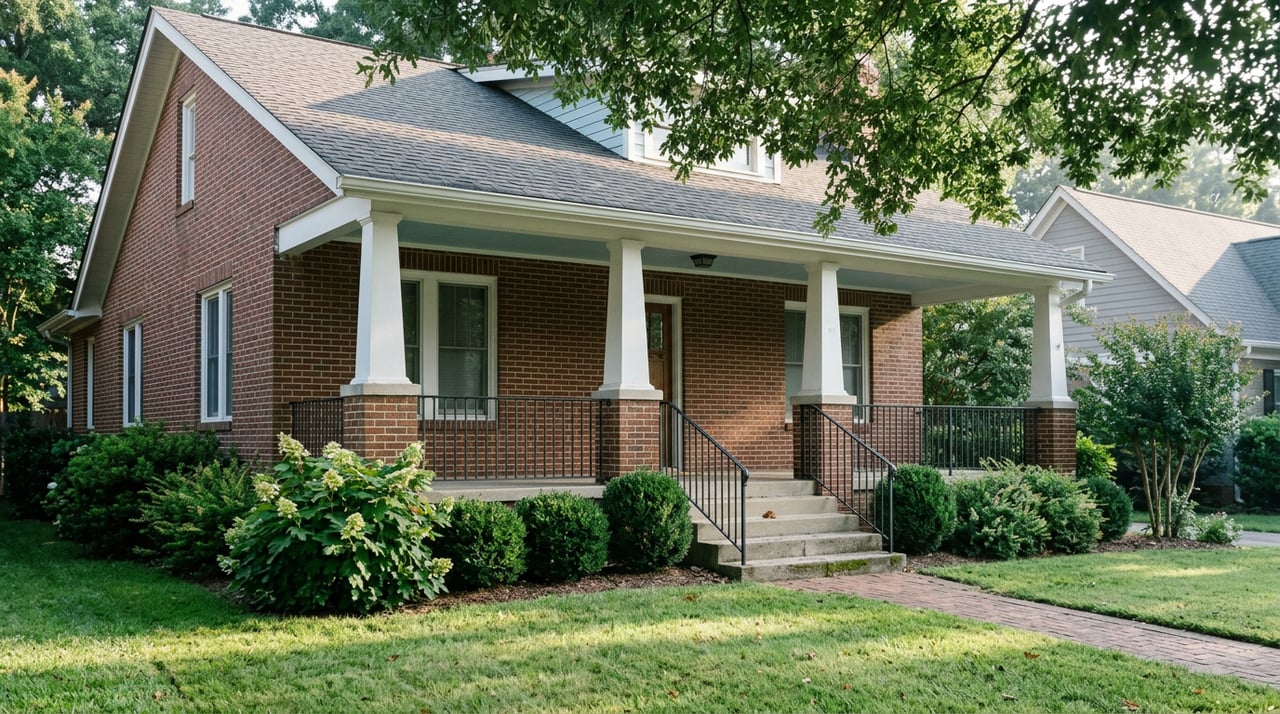
- Strong curb appeal
- A roof in solid condition
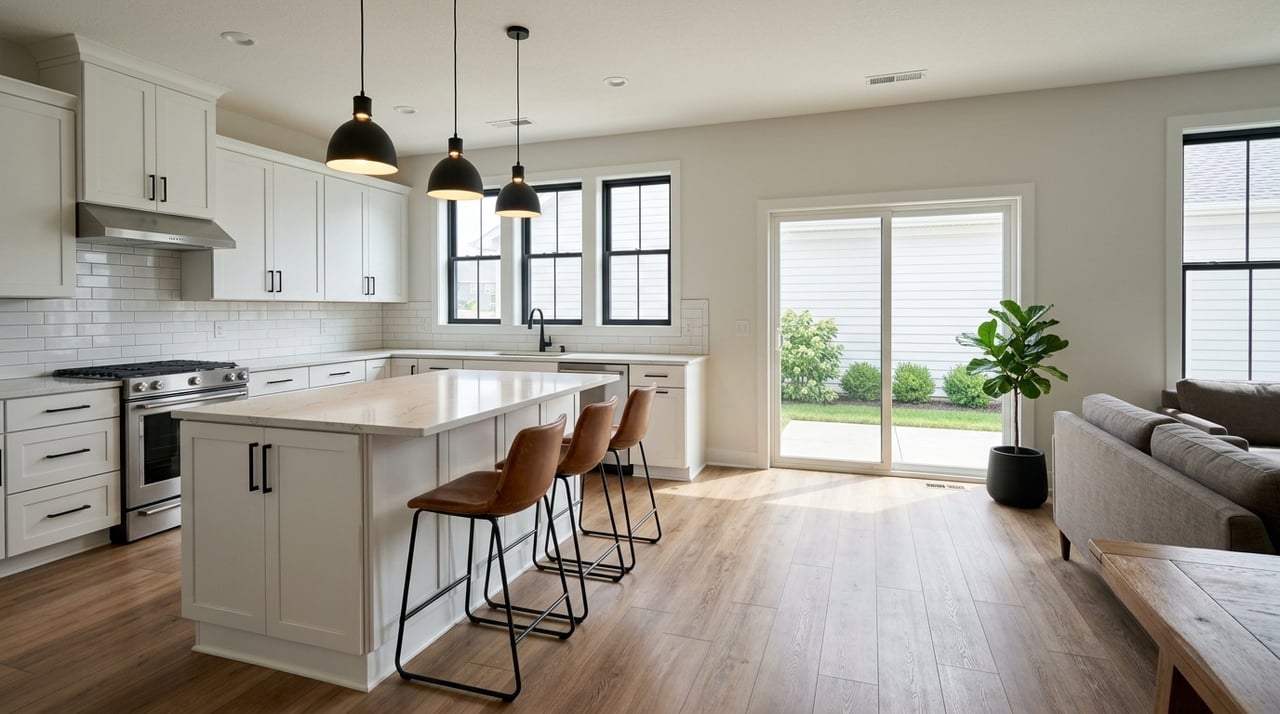
- Clean, functional kitchens
- Updated or refreshed bathrooms
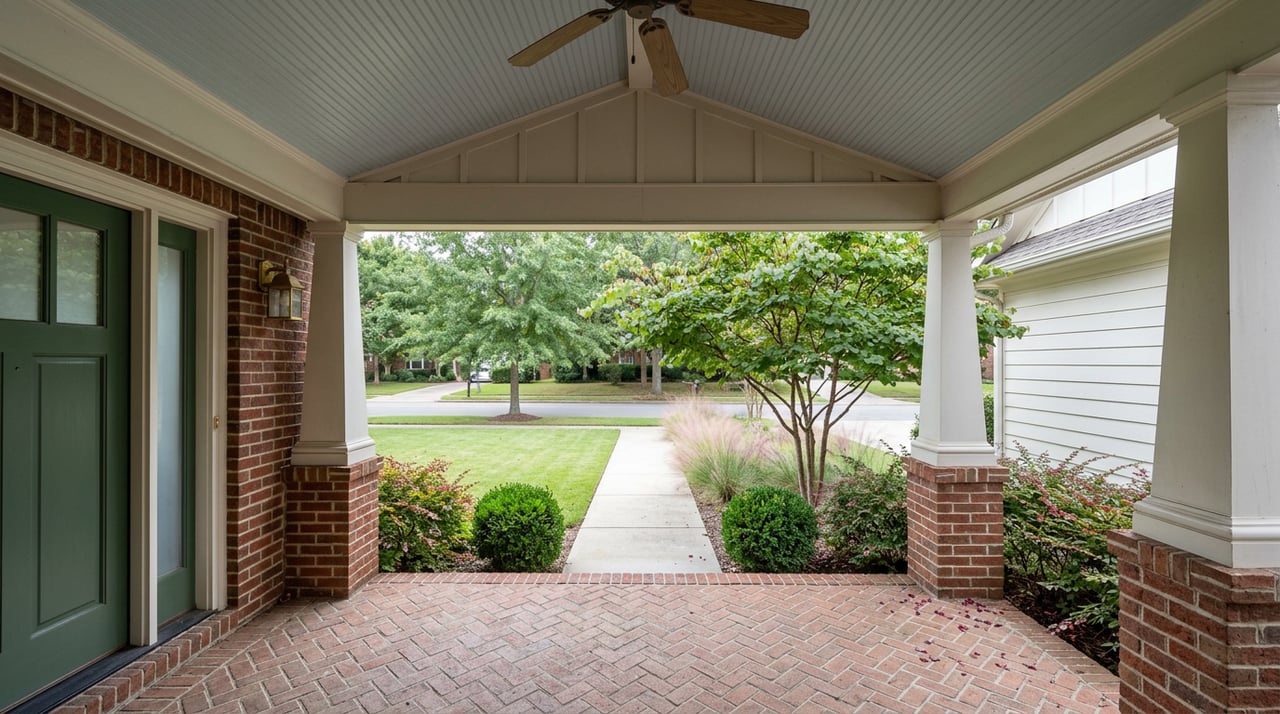
- A welcoming front entry
The same remodeling report found that a new steel front door had the highest cost recovery at 100%. That does not mean every seller needs a new front door, but it is a good reminder that targeted updates can outperform broad, expensive cosmetic projects.
Use a Simple Investor Pricing Framework
If you want to price your Cary home like an investor, keep your process simple and disciplined. Think in terms of risk, demand, and likely net outcome.
Step 1: Start With True Local Comps
Use recent sold homes in your neighborhood or a very similar part of Cary. Match for home type, size, age, lot, condition, and updates as closely as possible.
Townwide averages are too broad to set a strong price. Cary’s ZIP code differences alone show why local context matters.
Step 2: Compare Against Active Competition
Look at what buyers will see next to your home right now. Active listings help shape buyer expectations, even though sold homes still matter most for value.
If nearby homes offer better updates, a newer roof, or stronger presentation, your price should reflect that reality.
Step 3: Adjust for Condition Honestly
Be realistic about wear, finishes, and maintenance. Cary’s mixed housing stock means condition can create meaningful pricing differences.
This is where many sellers get off track. Personal attachment can make it hard to see your home the way a buyer sees it.
Step 4: Stress-Test the Net
Run a few pricing scenarios instead of focusing on a single dream number. Compare how a strong launch price might perform against a higher price that could require a later reduction or more seller concessions.
This is the heart of investor thinking. You are measuring likely outcome, not just ideal outcome.
What Not to Do
A disciplined pricing plan also means avoiding a few common mistakes.
- Do not price from a county average when your home is in Cary
- Do not rely on one online estimate
- Do not ignore condition when comparing comps
- Do not assume every upgrade returns full value
- Do not chase the market down with multiple reductions
- Do not confuse the highest list price with the best result
The Smart Cary Seller’s Mindset
In a competitive market like Cary, pricing well is not about being conservative or aggressive. It is about being strategic.
The strongest sellers think like investors. They use neighborhood-level comps, account for condition, respect buyer behavior, and measure success by net proceeds and negotiating power. That is how you give yourself the best chance to sell with confidence.
If you want a pricing strategy built around numbers, timing, and your likely bottom line, Tamara White can help you evaluate your Cary home with an investor’s eye and white-glove service.
FAQs
How should I price my Cary home compared to Wake County homes?
- Cary homes should be priced against recent Cary comps, not Wake County averages, because Cary’s recent median sale price is significantly higher than the county’s overall median.
Why is pricing by Cary ZIP code important for sellers?
- Cary ZIP codes can show large price differences, so a home in 27518 may compete in a very different price range than a similar home in 27511 or 27513.
What does pricing a Cary home like an investor mean?
- It means choosing the list price most likely to generate the strongest offer and best net proceeds, instead of simply aiming for the highest headline number.
Do home condition and updates really affect Cary pricing?
- Yes. Cary has housing stock of different ages and levels of renovation, so condition, maintenance, and targeted updates can have a major effect on how buyers respond and what they are willing to pay.
Should I use a Zestimate or portal estimate to price my Cary home?
- Public estimates can be a useful starting point, but they should not replace a fresh pricing analysis based on recent sold comps, active competition, and your home’s specific condition.
Which updates matter most before selling a Cary home?
- Practical improvements like fresh paint, roof condition, curb appeal, and clean, functional kitchens and bathrooms tend to improve buyer appeal more reliably than highly personal or expensive luxury upgrades.